 DK / DKK







Children’s Winter Barefoot Shoes: Are They Really Suitable for Winter?
 Be Lenka
If you’re reading this, you’re probably dealing with the same winter challenges as many parents - wet socks, cold feet, and the question of whether children’s winter barefoot shoes can actually be warm, functional, and still support a child’s natural movement.
- Why traditional winter shoes often fall short
- Do winter barefoot shoes really work in cold weather?
- Water-repellent vs waterproof: which material to choose and when
- Which children’s barefoot boots suit different winter conditions
- Will my child’s feet get cold in barefoot shoes?
- How to choose winter barefoot shoes for kids without stress
- What to watch out for with barefoot shoes in winter

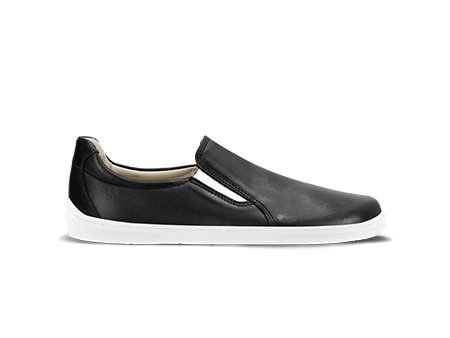
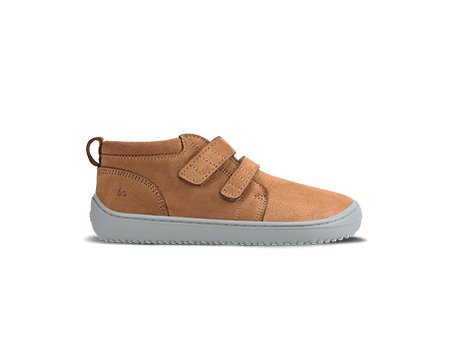
Kids Barefoot Shoes
Elio Kids - Black & Grey
12 colors
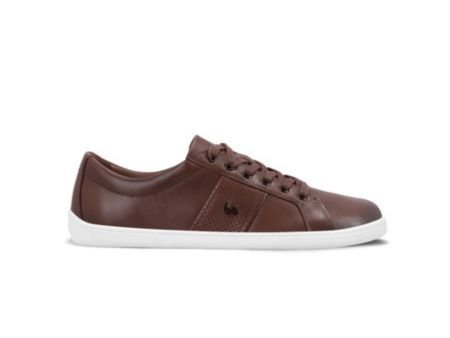
Kids Barefoot Shoes
Elio Kids - All Brown
12 colors
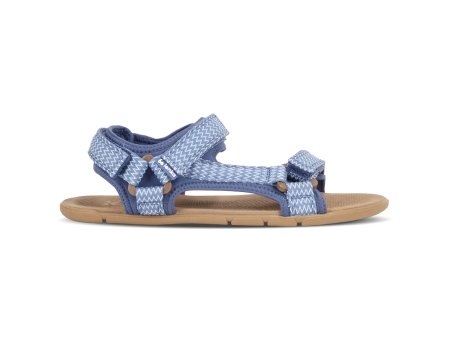
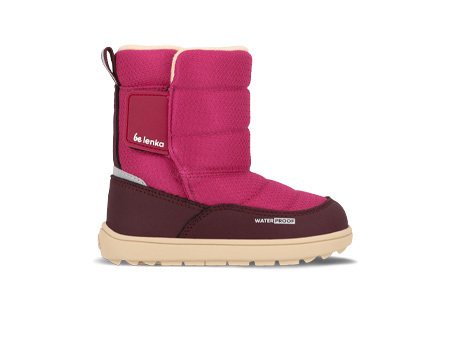
Kids winter barefoot boots
Zippu Junior - Berry & Grey
12 colors
Why traditional winter shoes often fail
Many winter shoes look warm at first glance. Thick soles, bulky shapes, lots of inner padding. The problem is that in real life, they often don’t perform the way we expect.
The most common issues parents face
- shoes soak through after just a few minutes in snow
- thin or low-quality materials let cold in
- the foot can’t move inside the shoe and cools down faster
- narrow toe boxes squeeze the toes together and restrict blood circulation
The result? Cold feet, damp socks, and a child who wants to go home after ten minutes outside or gets sick more often.
Do winter barefoot shoes actually work in winter?
Yes, they do. But not all of them, and not in every condition. Winter barefoot shoes work differently from conventional winter footwear. They rely on movement, natural foot function, and high-quality materials.
Why winter barefoot shoes for kids make sense
- toes have enough space to move freely
- better blood circulation thanks to natural movement means more warmth
- flexible soles encourage active movement and muscle engagement, generating heat
- fewer layers are replaced by functional, insulating linings
Water-repellent vs waterproof: which material should you choose and when?
Water-repellent materials resist moisture but aren’t designed for prolonged contact with snow or jumping in puddles.
They’re suitable if:
- winter is dry or mostly frosty
- your child walks mainly on cleared pavements
- outdoor time is shorter
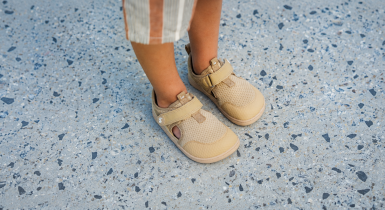
For dry, cold weather, Elio shoes are an excellent choice from our range. These lightweight children’s barefoot shoes are ideal for the city or for walking to school or kindergarten. They are ankle-high, which means snow could get inside, and the material may soak through after longer outdoor exposure. That’s why we recommend them for transitional periods – from autumn into winter and from winter into spring – when it’s still cold but the weather is more stable.
Waterproof materials – when winter is truly winter
Waterproof materials can handle snow, slush, and longer stays outdoors.
They’re the right choice if:
- your child plays in the snow
- you go outside regardless of the weather
- you’re looking for fully waterproof shoes
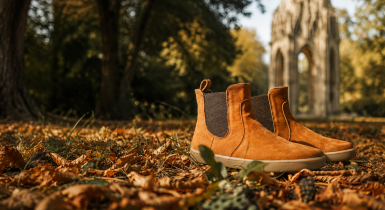
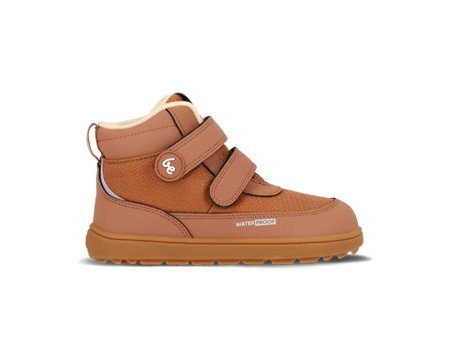
From our collection, we highlight two winter favourites: Zippu, waterproof winter barefoot shoes suitable for changeable conditions, and Ailo, insulated waterproof snow boots designed for deep snow and frost. Both models are warm, stylish, and come in colours children love.
Which children’s barefoot boots suit different conditions?
Our children’s boots by use
| Conditions | Recommended model | Material type |
|---|---|---|
| City, dry winter | Elio | water-repellent |
| Snow, slush, rain | Zippu | waterproof |
| Deep snow, frost | Ailo | waterproof |
Will my child’s feet get cold in barefoot shoes?
This is the biggest concern for parents. The answer is no – as long as the shoe is chosen correctly.
Why feet don’t get cold in barefoot shoes
- the foot works naturally, engaging muscles and generating heat
- toes aren’t squeezed together, so blood circulation is better
- high-quality insulating materials retain warmth
- breathable materials prevent moisture buildup, reducing the feeling of cold
How to choose winter barefoot shoes for kids without stress
- Measure your child’s foot in the evening, when it’s slightly swollen after the day
- Choose a minimal allowance
- Consider when and where the shoes will be used most
- Select the material and model accordingly
- You can find our step-by-step foot measuring guide here
What to watch out for with barefoot shoes in winter
- quality socks – ideally merino
- regular waterproofing
- avoid choosing unnecessarily large sizes
- match the model to the weather conditions
Are winter barefoot shoes suitable for snow?
+ -Yes, if you choose waterproof models such as Zippu or Ailo.
Which material is better for winter?
+ -It depends on conditions. Waterproof for snow, water-repellent for dry frost.
How do I know if my child has the right size?
+ -The toes have space, the shoe doesn’t pinch, and the foot can move naturally.
Are barefoot shoes suitable for toddlers as well?
+ -Yes, they support natural foot development even in winter.
Do you think others should know about this too?
Share it :)