 DK / DKK









How Do Barefoot Shoes Affect the Arch of the Foot?
 Be Lenka

Our feet support us every single day, yet we often start paying attention to them only when pain appears. The arch of the foot plays a key role in stability, balance and overall comfort when walking. This article is for anyone who wants to better understand foot anatomy, identify common causes of foot pain and learn how to strengthen the arch at home through simple habits and the right barefoot shoes.
What you will learn
- Why the foot arch is the foundation of healthy movement
- How the foot arch is linked to foot pain
- How the arch works from an anatomical perspective
- How to strengthen the foot arch at home
- The role of comfortable barefoot shoes in arch support
- Are barefoot shoes better for the arch than conventional footwear
- Common mistakes
- Expert recommendations
Why the foot arch is the foundation of healthy movement
The foot arch works as a natural shock absorber and stabiliser when walking. With every step, it helps the body manage impact while protecting the joints from excessive strain. When it functions well, movement feels smoother, more stable and less tiring. A healthy arch influences the entire body. It affects posture, balance while standing and the way we move overall. That is why it should be seen as an active part of the musculoskeletal system rather than a passive support.
What the foot arch provides in everyday life
- Even distribution of body weight when walking
- Better stability and balance
- Protection for knees, hips and the spine
How the foot arch is linked to foot pain
When the arch is weakened, the foot loses its ability to absorb impact effectively. Load shifts to areas that are not naturally designed to handle it. This often shows up as foot pain, a burning sensation or uncomfortable tension during longer walks.
It is rarely just a local issue. Changes in foot strike affect the whole body and may lead to pain in the knees, hips or lower back. Since the feet are the foundation of movement, their condition strongly influences everyday comfort.
Common signs of a weakened arch
- Rapid foot fatigue
- Heel pain or pain in the forefoot
- A feeling of instability while walking
How the arch works from an anatomical perspective
Foot anatomy is highly complex. The arch is created through the cooperation of bones, muscles and ligaments that form a flexible structure. During walking, this structure naturally compresses and then returns to its original shape.
There are two main arches, the longitudinal arch along the inner side of the foot and the transverse arch across the forefoot. Both are essential for stability and elasticity. When the muscles supporting the arch are not used over a long period, for example due to narrow footwear, they gradually weaken and the arch loses its function.
Main components of the foot arch
- Longitudinal arch on the inner side of the foot
- Transverse arch in the toe area
How to strengthen the foot arch at home
Strengthening the foot arch does not need to be complicated or time consuming. What matters most is consistency and conscious work with the feet. Even short sessions can make a difference when they become part of daily routine.
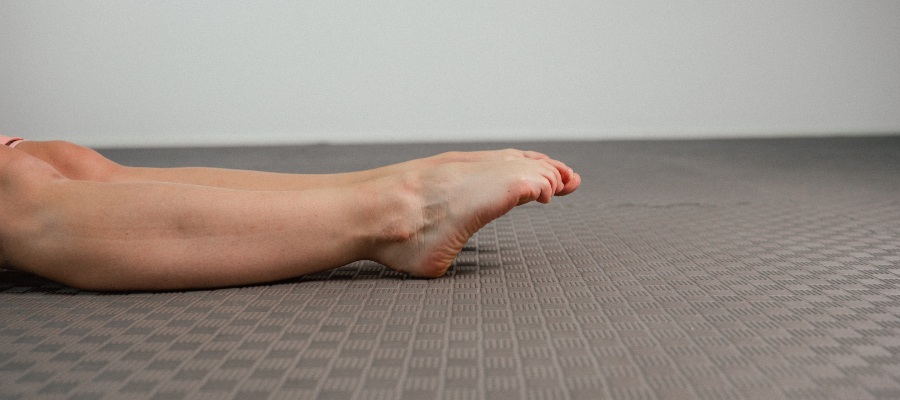
Simple exercises such as toe curls, rising onto the balls of the feet or activating the arch without moving the toes help awaken muscles that are often inactive. Exercising barefoot is ideal as it improves contact with the ground.
Practical exercise tips
- Practice daily for at least a few minutes
- Focus on slow and precise movement
- Pay attention to how your foot is working
The role of comfortable barefoot shoes in arch support
Footwear has a major influence on how the arch functions during walking. The foot is naturally designed to work actively. With each step, it slightly spreads, compresses and then stabilizes again. This movement keeps the arch muscles strong and flexible.
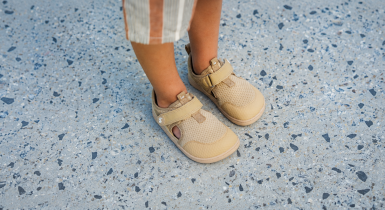
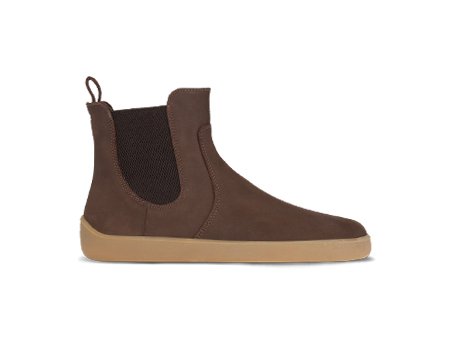
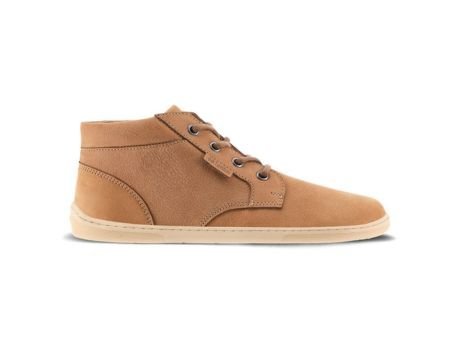
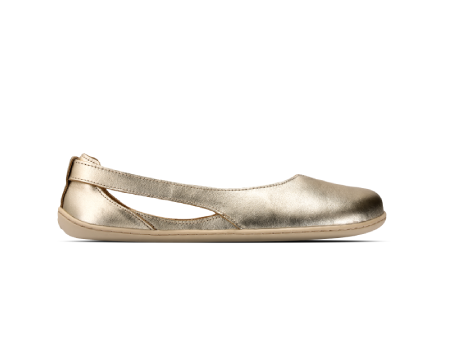
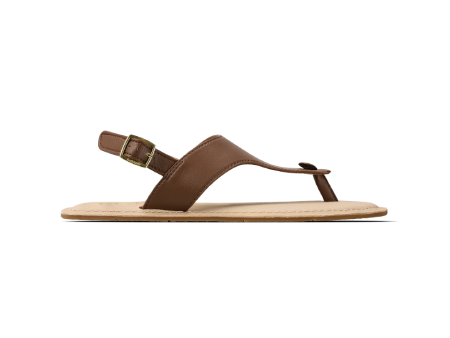
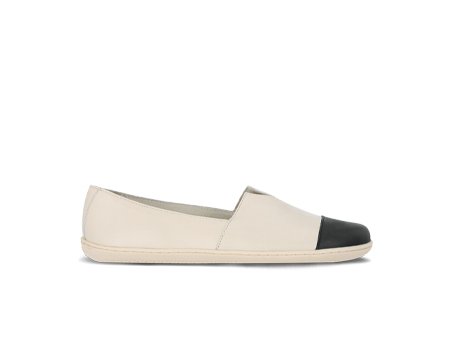
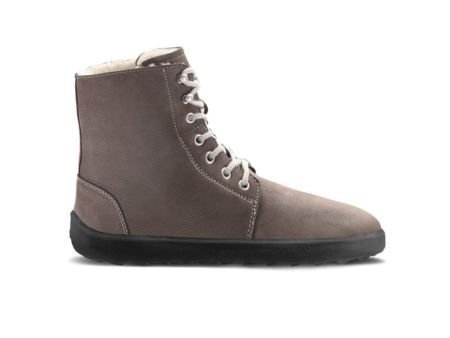
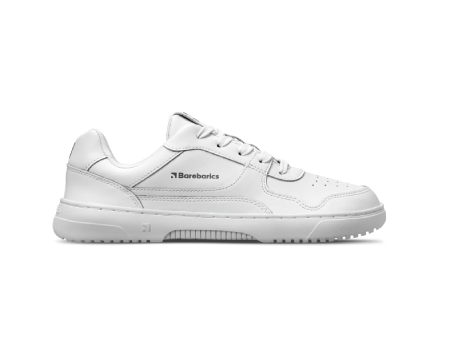
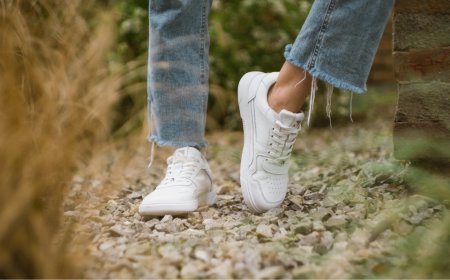
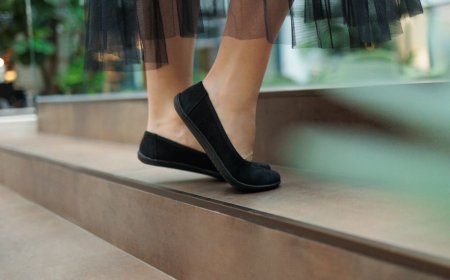
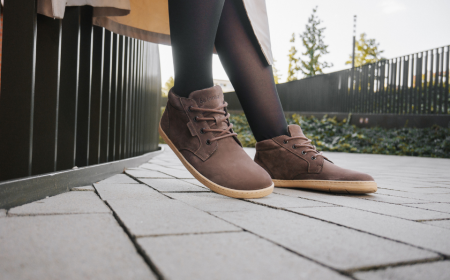
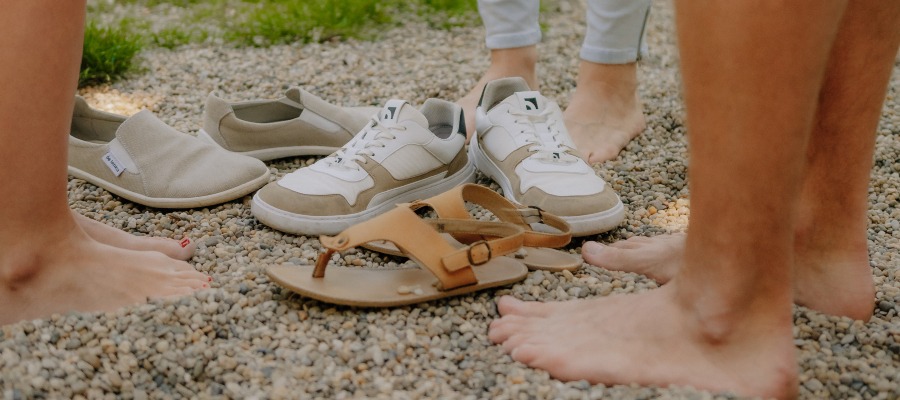
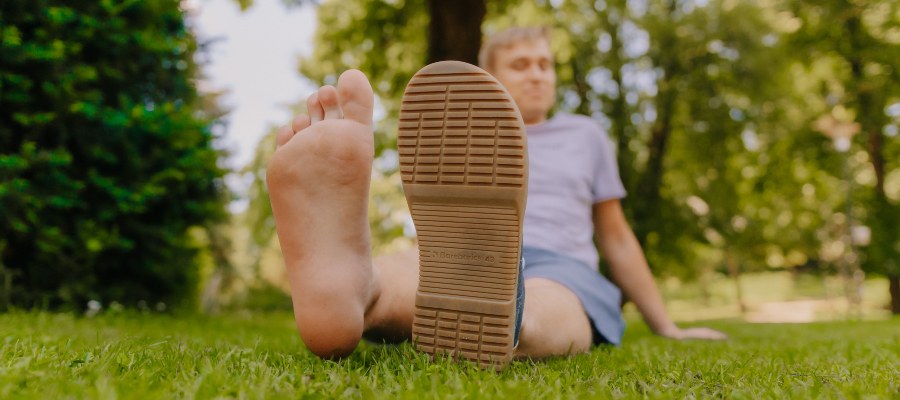
Comfortable barefoot shoes allow the foot to move in a way that closely resembles walking barefoot. Thanks to a spacious toe box, the toes have enough room to distribute body weight properly, which is one of the key conditions for healthy arch function. When toes are not compressed, they actively contribute to foot stability and support the natural arch shape.
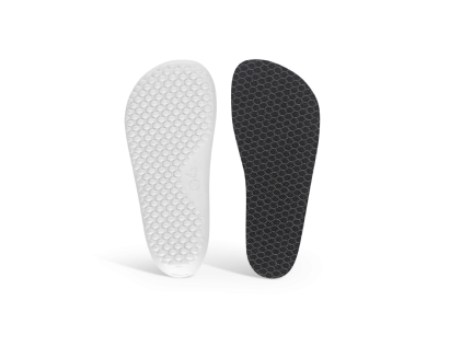
A thin and flexible sole also plays an important role. It allows the foot to sense the surface beneath and respond with subtle muscle contractions. These small, almost invisible movements gradually strengthen the muscles that maintain the arch. The foot learns to work independently without external support.
Are barefoot shoes better for the arch than conventional footwear
Shoes with heavy cushioning, built in supports or rigid soles take over part of the foot’s natural work. The arch may feel passively supported, but the muscles responsible for holding it become less active. Over time, this can lead to muscle weakness and reduced ability of the arch to function without assistance.
Barefoot shoes work the opposite way. Instead of providing passive support, they create conditions that allow the arch to strengthen naturally. Each step becomes a gentle training stimulus that encourages healthy gait, improved stability and natural movement.
What are the most common mistakes in arch care?
One frequent mistake is relying solely on passive support without active strengthening. The arch needs movement and muscle engagement to stay strong. Another common issue is changing habits too quickly. Transitioning to a different type of footwear or starting intensive exercise should be gradual so the foot can adapt without unnecessary overload.
What do experts recommend for healthy movement?
Movement specialists agree that a healthy foot arch is the result of combining natural movement, simple exercises and appropriate footwear. Listening to the body and responding early, before significant pain develops, is essential.
Regular barefoot walking on varied surfaces, conscious foot engagement and respect for natural foot anatomy are among the key recommendations for long term foot health.
Odborníci na pohybový aparát sa zhodujú, že zdravá klenba nohy je výsledkom kombinácie prirodzeného pohybu, jednoduchého cvičenia a vhodnej obuvi. Dôležité je vnímať signály tela a reagovať na ne skôr, než sa objaví výrazná bolesť chodidla.
Pravidelná chôdza naboso na rôznorodom povrchu, vedomé zapájanie chodidiel a rešpektovanie anatómie chodidla patria medzi základné odporúčania pre dlhodobé zdravie nôh.
Find your size using our sizing guide
Explore the current barefoot sneaker collection
Contact us if you need advice
Sources
McKeon, P. O. et al. (2022). The foot core system and its role in maintaining foot function. Journal of Orthopaedic & Sports Physical Therapy.
Kelly, L. A. et al. (2023). Intrinsic foot muscles and foot health. Sports Medicine.
Ridge, S. T. et al. (2024). Minimal footwear and foot muscle strength. Foot and Ankle International.
Do you think others should know about this too?
Share it :)