 DK / DKK







 Order Status
 Return Status
 Frequently Asked Questions


Barefoot socks (25)
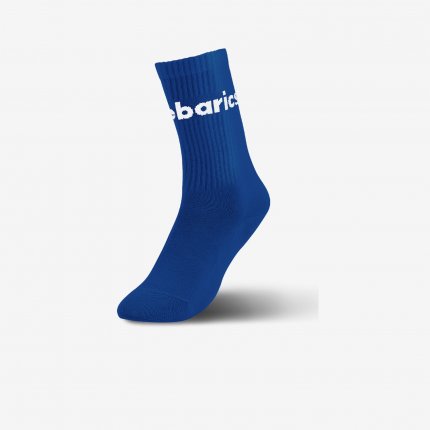
Crew socks



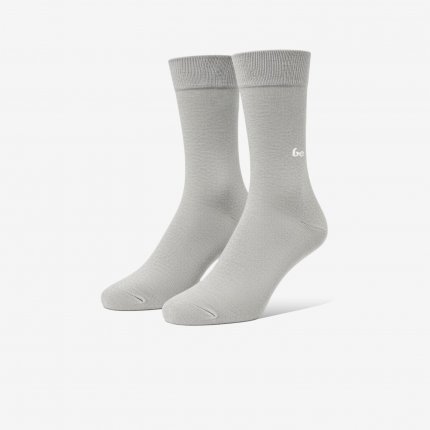
Low-cut & ankle socks
You have seen 25 of 25 products
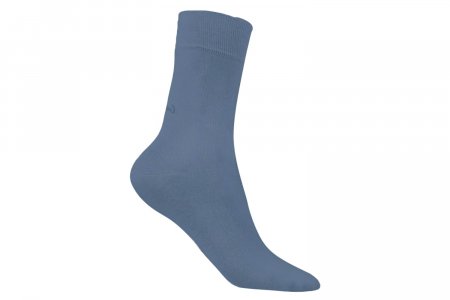
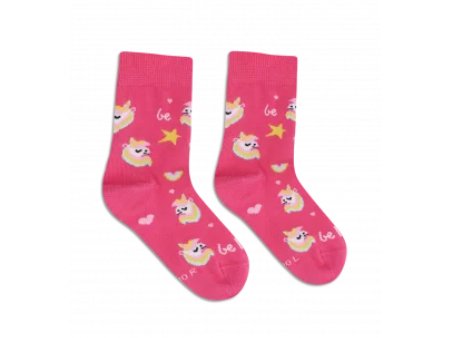
Be Lenka barefoot socks multiply the natural feel of barefoot footwear. They leave the toes free, sit well on the feet and keep them comfortable all day long. The ideal complement to your favourite barefoot shoes.
Why get socks as well after barefoot shoes
You buy footwear with a roomy toe box and then put on a sock that pulls the toes together. It sounds absurd, yet most people do it. Ordinary socks are sewn into a narrow shape and with every step they draw the big toe inwards. Barefoot socks are cut anatomically: they follow the shape of the foot and leave the toes the space the shoe gave them. You’ll feel the difference most in the evening, when the foot isn’t squeezed even after a whole day.
Toe socks, classic or no-show?
The classic barefoot cut looks like an ordinary sock, only with a wider, roomier toe area. It’s the most versatile choice for every day. Toe socks have separate sleeves for each toe, so the toes don’t touch and can work individually. They also help where the skin between the toes gets chafed. And no-show socks stay hidden in low-cut footwear, protect its interior and in summer let you wear the shoes with the feeling of a bare foot.
Toe-alignment socks as a complement to barefoot
If you’ve worn narrow footwear for years, the toes get used to the cramped position. Toe-alignment socks with separated toes help them return to their natural spacing, which is why they’re usually worn at home and for a short time each day. They’re not a substitute for barefoot footwear, they’re its complement. The foot gets a stimulus even when you’re not walking, and the transition to a wider toe box tends to be more pleasant thanks to that.
Socks by season
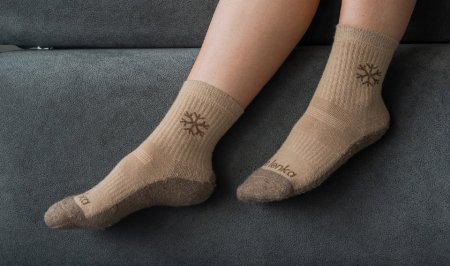
The material decides how you feel inside the footwear. In summer, reach for thin breathable models that wick moisture away and don’t add heat. For spring and autumn, medium-thick socks will serve, handling the shift between a cold morning and a warm afternoon. In winter, by contrast, the best companions are wool or merino socks, which warm well and absorb moisture. The barefoot cut takes a thicker sock into account; the space in the toe box stays preserved even in winter barefoot shoes.
Can barefoot socks be worn in ordinary footwear too?
+ -They can, you’ll just get less out of them. In narrow footwear the wider toe area of the sock adapts to the shape of the shoe, so the toes won’t get the space they need anyway. What remains pleasant, though, is the soft material and the anatomical cut at the heel. If you’re just discovering barefoot socks, feel free to wear them with everything. They come into their own only in footwear that gives them room.
How to choose the right size of barefoot socks?
+ -Go by the length of the foot, not by the shoe size, and compare it with the size chart on the specific product. A sock that’s too small pulls the toes together just like narrow footwear, and the advantage of the widened toe area is lost. If you’re between two sizes, reach for the larger one. The elastic knit adapts to the foot, but a stretched sock won’t give the toes their space back.
How to wash barefoot socks so they last?
+ -Wash them inside out at a lower temperature according to the label, ideally in a laundry bag that protects their elastic parts. With functional and wool materials, rather skip the fabric softener; it reduces their ability to wick moisture. Avoid the tumble dryer completely: the fibres shrink and the sock loses its shape. Dry them naturally and they’ll last you considerably longer.