 DK / DKK







 Order Status
 Return Status
 Frequently Asked Questions


Ankle and high-top barefoot shoes (74)

Zing - High Top


York
Blizzard

Barefoot Sneakers
Olivia
PolarStride
Hifly
Glam
Snowfox Woman
Element
Diva
Venus
Barefoot Boots
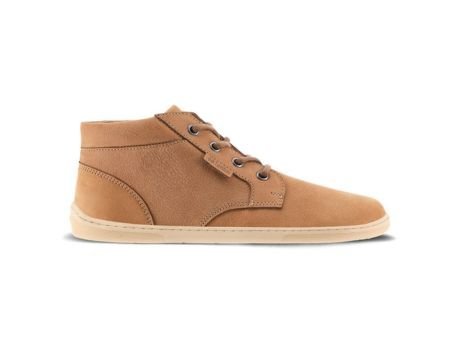
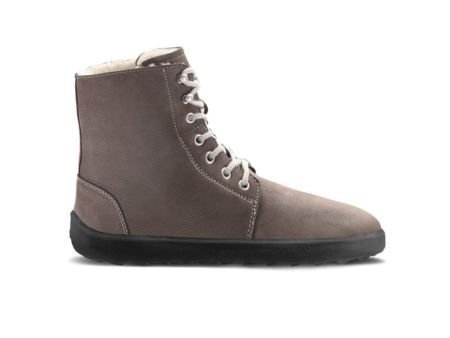
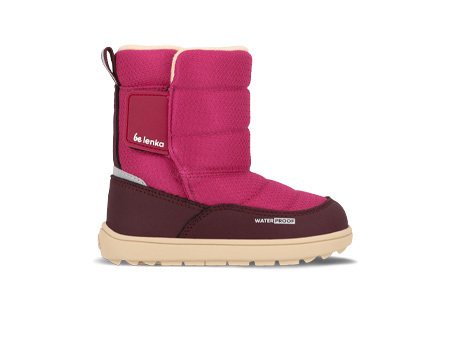
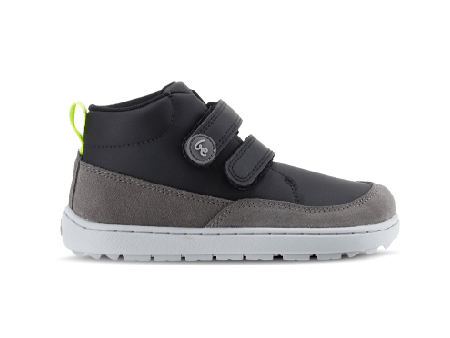
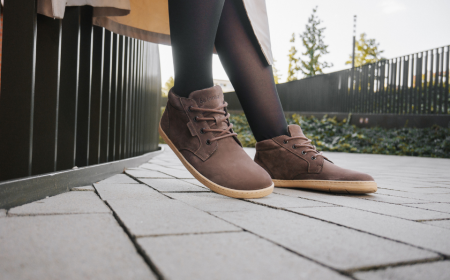
When it turns colder, you appreciate footwear that protects the ankle and at the same time lets the foot work properly. Be Lenka ankle and high-top barefoot shoes combine a higher cut with a roomy toe box, a flexible sole and natural movement. Protection on the outside, freedom on the inside.
What a higher cut really solves
Higher footwear isn’t only about warmth, although that’s its most visible advantage. An upper that reaches above the ankle protects against water splashing from puddles, doesn’t let fine gravel or twigs on a forest path reach the foot, and in the case of winter footwear stops snow from getting inside. It also protects against wind, which draws heat away from the feet the fastest. All of that without immobilising the ankle. That’s precisely where barefoot differs from ordinary ankle and high-cut footwear.
Ankle, mid-cut, high-top: which height to choose
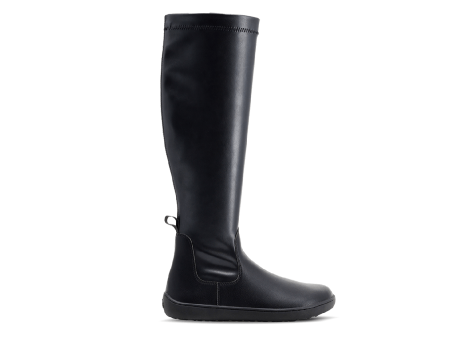
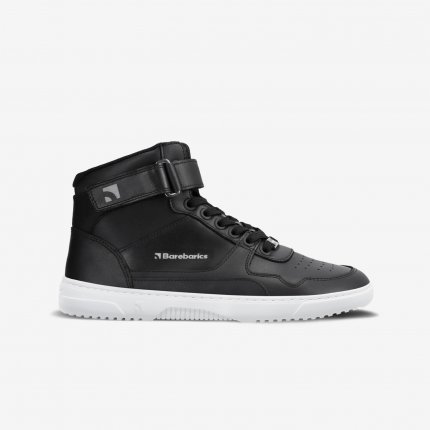
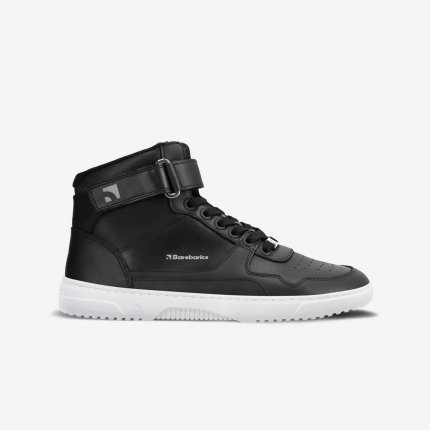
Ankle footwear ends just above the ankle and is the most versatile. It’s easy to put on, matches most of the wardrobe and serves from autumn to spring. Mid-cut models reach higher and suit places where more protection against damp is needed. High-top cuts are for demanding conditions, deeper snow and long hours outdoors. A simple rule applies: the more time you spend outside and the worse the weather, the higher you should reach.
Higher footwear for women and men
Our wardrobes and proportions all differ, which is why this type of footwear deserves its own subsections. Women will find ankle and higher models along with styling tips among the women’s ankle and high-top barefoot shoes. For men, a selection is ready in the section of men’s ankle and high-top barefoot shoes. This page is a crossroads; your route continues according to your wardrobe.
The fastening decides the comfort
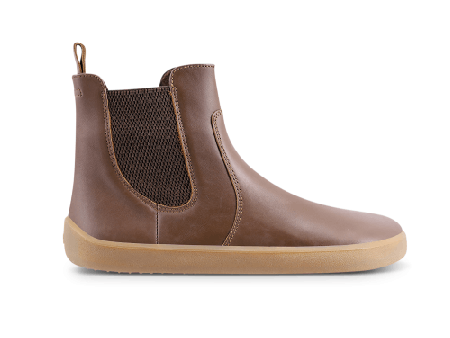
With higher footwear, the fastening isn’t just a detail. Lacing lets you fine-tune the fit exactly to the foot and is a relief with a higher instep or a stronger calf. A zip speeds up putting the shoes on, which you’ll appreciate in the morning when you’re in a hurry. Elastic panels offer an even better solution: the shoe slips on in one movement while still holding well on the foot and looking great. You’ll find this principle in the chelsea barefoot boots, for example. So choose according to how many times a day you change your shoes.
Will a higher cut restrict the natural movement of the foot?
+ -With barefoot shoes, no. Only the upper is higher, protecting the ankle from bad weather, while the sole stays flat and flexible and the toe box roomy. The foot therefore works just as it does in low-cut footwear. The difference from classic winter footwear lies precisely in the fact that the protection doesn’t come at the cost of stiffness and an immobilised ankle.
Can higher barefoot footwear be worn outside winter too?
+ -Lighter, uninsulated ankle models are excellent throughout autumn and spring, where they serve better than low-cut footwear. What decides is the insulation, not the height. If a model has a warm lining, save it for the cold months so the foot doesn’t overheat. Uninsulated leather or textile pieces are worn by many people from September to May.
How to store higher footwear over the summer?
+ -Before putting them away, clean them thoroughly, nourish the leather and let the shoes dry completely. Higher models tend to crease in the shaft, so store them upright, or stuffed with paper or fabric that holds the shape. Put them in a dry place away from direct sunlight and in autumn you’ll take them out in the same condition.